
Prospecting
Using Segmentation Variables for B2B Markets: A Complete Guide for SaaS Brands
Learn how B2B SaaS businesses can leverage segmentation variables for B2B markets to create a stacked pipeline with our quick guide on B2B segmentation.
Learn how B2B SaaS businesses can leverage segmentation variables for B2B markets to create a stacked pipeline with our quick guide on B2B segmentation.
For SaaS brands, it's important to know who they’re selling to and how best to reach them. After all, B2B sales is all about knowing your customer well, and building solid relationships – so as to offer a consistent customer experience.
This is where segmentation can be crucial, helping you learn more about your target market so as to approach, persuade and convert leads into customers.
This is exactly where segmentation variables for B2B markets come into play. For B2B businesses, understanding and leveraging these is crucial to enhance the ROI on their sales & marketing efforts.
But how to leverage these segmentation variables for B2B markets effectively? This article offers a comprehensive overview of how you can do so. We’ll not only cover the importance of B2B segmentation, but also explore how to use these variables to construct your own B2B outbound strategy framework.
So let’s get started!

Before we get down to discussing the segmentation variables for B2B markets, it’s important to know what segmentation really is!
In simple terms, B2B market segmentation is nothing but a process of dividing a broad business market into smaller, more manageable groups with similar needs & characteristics.
This strategic approach is pivotal in amplifying the effectiveness of both marketing and sales efforts.
We typically see two dominant approaches in B2B market segmentation:
Another aspect you need to consider before understanding how segmentation variables for B2B markets work are the benefits of the segmentation process.
Keeping that in mind, here's a quick overview of the same:
Before understanding what segmentation variables for B2B markets work for your business, SaaS companies need to understand the benefits of micro-segmentation.
Keeping that in mind, here are the benefits of using micro-segmentation in your marketing & sales efforts:
This knowledge enables the creation of highly personalized marketing messages, which resonate more effectively with each segment.
For instance, a SaaS company might find that startups in the tech industry have different software needs compared to established financial firms.
By tailoring their messages accordingly, they can speak directly to the concerns and aspirations of each group, making their sales & marketing efforts more impactful.
This targeted approach reduces the scattergun effect of broader marketing campaigns, ensuring that marketing efforts are concentrated where they are most effective, thereby boosting conversion rates.
By aligning product development with the nuanced needs of various segments, businesses can create solutions that are more likely to satisfy and delight their customers.
This approach not only maximizes ROI but also ensures that marketing and development resources are used in the most efficient manner possible.
Now that we’ve delved deeper into the benefits of B2B micro-segmentation, it’s time to understand the benefits of the other approach.
Some of them are as follows:
For instance, macro segmentation can reveal how different industries are adopting technology, the average budget sizes for software solutions in various sectors, or the general preferences among large enterprises vs. small businesses.
Such insights enable companies to steer their strategic direction in a way that aligns with larger market opportunities.
It allows SaaS companies to craft messages that address the common pain points, aspirations, and preferences of broader groups.
This approach is particularly effective for brand-building and awareness campaigns, where the goal is to reach and resonate with a wide audience.
For SaaS companies, this might mean focusing more resources on rapidly growing industries or scaling back in markets that are showing signs of saturation.
In summary, both micro and macro segmentation offer distinct yet complementary benefits. Micro segmentation allows for personalized marketing and deeper customer insights, leading to higher conversion rates and more targeted product development.
Macro segmentation, on the other hand, offers a wider view of the market, facilitating strategic business decisions, optimized budget allocation, and the ability to spot and capitalize on emerging trends.
Together, they can significantly enhance the ROI of sales and marketing efforts for any B2B SaaS business.
Segmentation variables for B2B markets are specific criteria or characteristics used to categorize and divide a broad business market into distinct segments or groups.
These variables help in identifying and targeting specific groups of businesses or organizations within a larger market, allowing for better-optimized marketing and sales strategies.
This targeted approach is often more cost-effective than other broad, one-dimensional approaches
Overall, the use of segmentation variables in B2B markets is a cornerstone of modern marketing and sales, allowing companies to operate with greater efficiency in an increasingly competitive market.
Now that you’ve got a fair idea of what segmentation variables for B2B markets are, it’s crucial to know the different types of such variables you can use.
Based on our insights, here are the most common variables used by B2B businesses for segmentation:
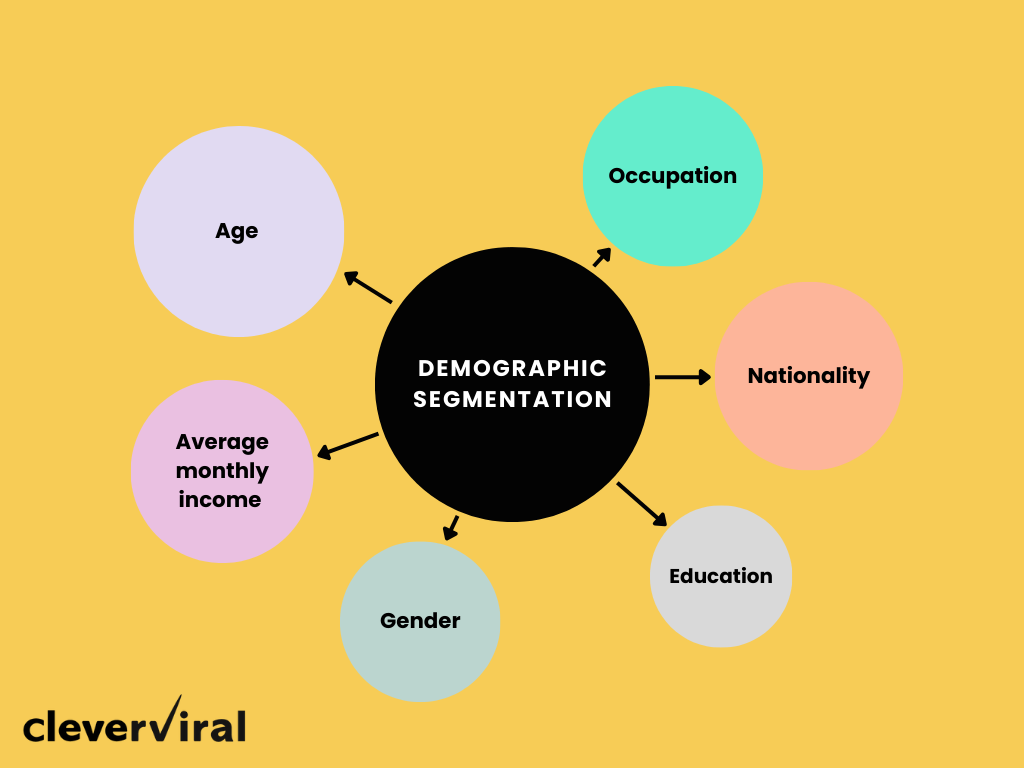
Demographic-focused segmentation variables for B2B markets involve categorization based on firmographic data like industry type, company size, annual revenue and other similar attributes.
For example, if your SaaS company has more customers in India than the US, you should double down on the former to improve your sales & marketing ROI.
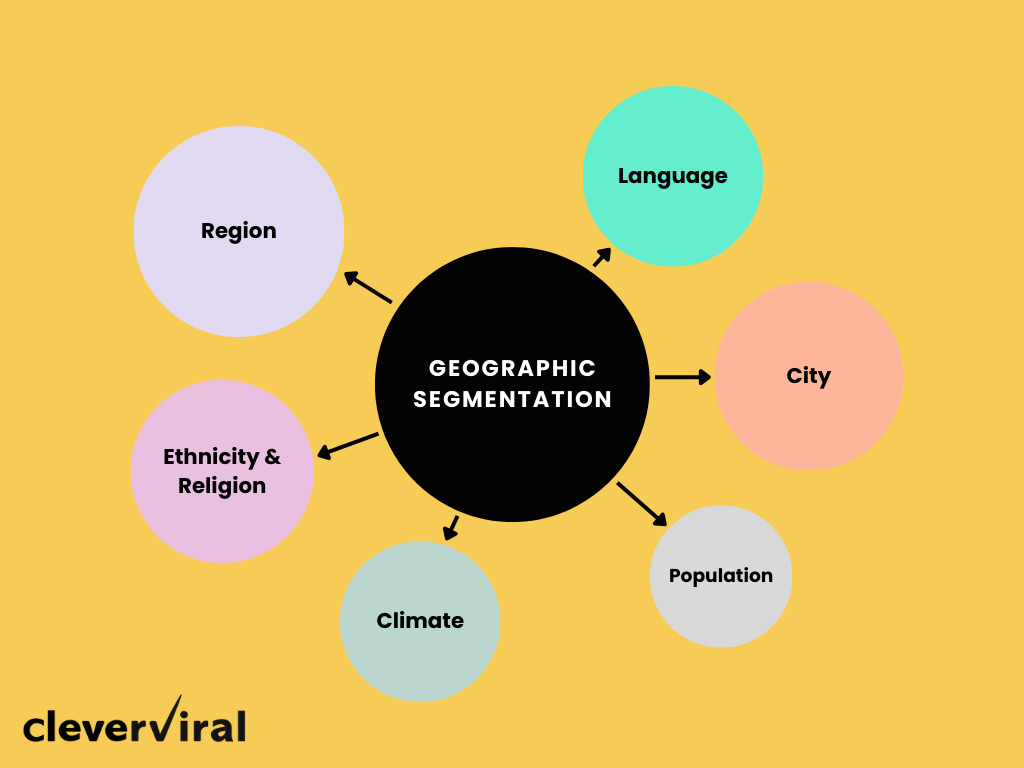
Geography-based segmentation variables for B2B markets usually divide the market based on geographical demarcations such as the country, region or postal code. This approach is ideal for companies having products/services that vary in relevance across different geographies.
For instance, a company may target only urban areas or specific countries where its product has higher demand.
Product usage segmentation is a type of segmentation variable in B2B markets that categorizes customers based on how they use a particular product or service.
This approach is especially relevant in today's diverse market, where different businesses can use the same product in varied ways, each deriving different types of value from it.
Understanding the usage patterns is crucial to create more informed, strategically-led products and marketing plans.
Using purchase behavior segmentation variables in B2B markets involves categorizing businesses based on their purchasing patterns, history, habits and tendencies. This type of segmentation is crucial for companies to understand how different business customers make purchasing decisions, their typical buying cycle, and what factors influence these decisions.
By analyzing purchase behavior, companies can tailor their sales and marketing strategies to align with the specific needs and habits of each segment, leading to more effective engagements and improved sales outcomes.
Using technographic segmentation variables in B2B markets involves categorizing potential or existing customers based on their existing technological profiles, preferences, and needs.
This type of segmentation is particularly useful for companies offering tech-based products or services, as it provides deep insights into the technological landscape of their target market.
Using them, the company can then create content, features and user experiences that align with the competitor's offerings & make the customer experience even better.
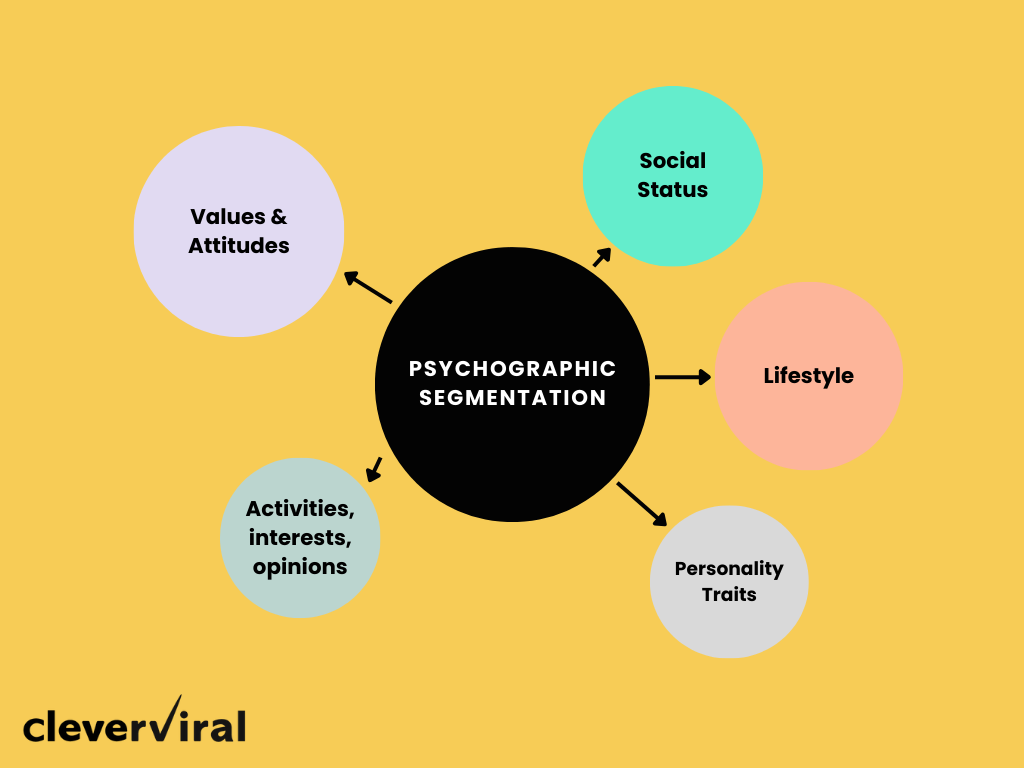
Using psychographic segmentation variables in B2B markets involves categorizing businesses based on psychological attributes such as corporate values, culture, goals, and priorities.
Unlike demographic or geographic segmentation, which focuses on tangible, measurable characteristics, psychographic segmentation delves into the more abstract, qualitative aspects of a business.
It's a powerful tool for understanding the underlying motivations and attitudes that drive business decisions.
Monday.com, a popular project management tool, provides an excellent example of both micro and macro segmentation in a B2B context, illustrating how these strategies can be effectively employed for marketing and sales purposes.
Let's explore Monday.com as one of the key B2B segmentation examples and analyze they’d use segmentation to enhance customer engagement & business growth:
Macro segmentation involves categorizing the market on a broader scale. For Monday.com, this could mean segmenting their market based on industry type, company size, or geographic location.
Micro segmentation, on the other hand, is more granular, focusing on smaller, more specific groups within those broader categories.
In summary, by employing both macro and micro segmentation, Monday.com can effectively organize its customer base for targeted marketing and sales strategies.
This dual approach allows them to address the broad needs of different industries and company sizes while also catering to the specific needs of individual user groups within those larger segments.
Using segmentation variables effectively in B2B markets is a strategic process that can significantly enhance marketing, sales, and product development efforts.
Here’s a detailed step-by-step guide on how to use these variables effectively:
Research from sources like Gartner or Forrester can also provide insights into which variables are most impactful in different industries.
Advanced analytics tools can be used to analyze this data, helping to identify patterns and trends that can inform your segmentation strategy.
Each segment should represent a group of potential customers with similar needs and characteristics.
This might include personalized messaging, targeted content marketing, or specialized sales pitches.
Tools like Google Analytics or marketing automation platforms can provide valuable data on engagement, conversion rates, and ROI for each segment.
This might involve adjusting your segmentation variables, re-analyzing your data, or tweaking your marketing and sales tactics.
A continuous improvement approach ensures that your segmentation strategy remains effective and aligned with the evolving needs of your market.
Incorporating these steps into your marketing and sales processes can significantly enhance the effectiveness of your B2B strategies, leading to improved customer engagement, higher conversion rates, and better overall ROI.
Remember, the key is to remain flexible and responsive to new data and market trends, continuously adapting your approach for optimal results.
Effectively utilizing segmentation variables for B2B markets is crucial for improving marketing and sales ROI. They play a significant role in the lead research process, enabling more targeted and effective strategies.
For businesses looking to enhance their market understanding and segmentation capabilities, Cleverviral's data intelligence solutions offer an integrated approach, combining buyer intent and segmentation to boost your sales pipeline.
If you’re looking to leverage the power of B2B intent data & guide your lead research process through expert-led guidance, drop us a line at hi@cleverviral.co or fill out the contact form now!
Market segmentation in B2B marketing is the process of dividing a broader business market into smaller, more defined groups or segments based on certain shared characteristics or needs.
These segments are typically created using various criteria such as industry type, company size, geographic location, specific business needs, purchasing behavior, or technological usage.
The primary purpose of market segmentation in B2B is to enable businesses to tailor their marketing strategies, products, and services more effectively to each specific group.
Segmentation variables for B2B markets include demographic criteria (industry, company size), geographic location, behavioral factors (purchasing habits, product usage), and psychographic elements (corporate values, culture).
These variables enable precise categorization of businesses for tailored marketing strategies.
The 4 most common segmentation variables for B2B markets include:
- Demographic segmentation variables
- Geographic segmentation variables
- Technographic segmentation variables
- Psychographic segmentation variables
B2B segments refer to distinct groups within a business-to-business market, categorized based on specific criteria or characteristics.
These segments are created to better understand and address the varied needs, behaviors, and preferences of different types of business customers
Apply below. If we're a fit, we run a real pilot on your ICP and show you the actual replies before you commit to anything.
Apply for a free POC →